



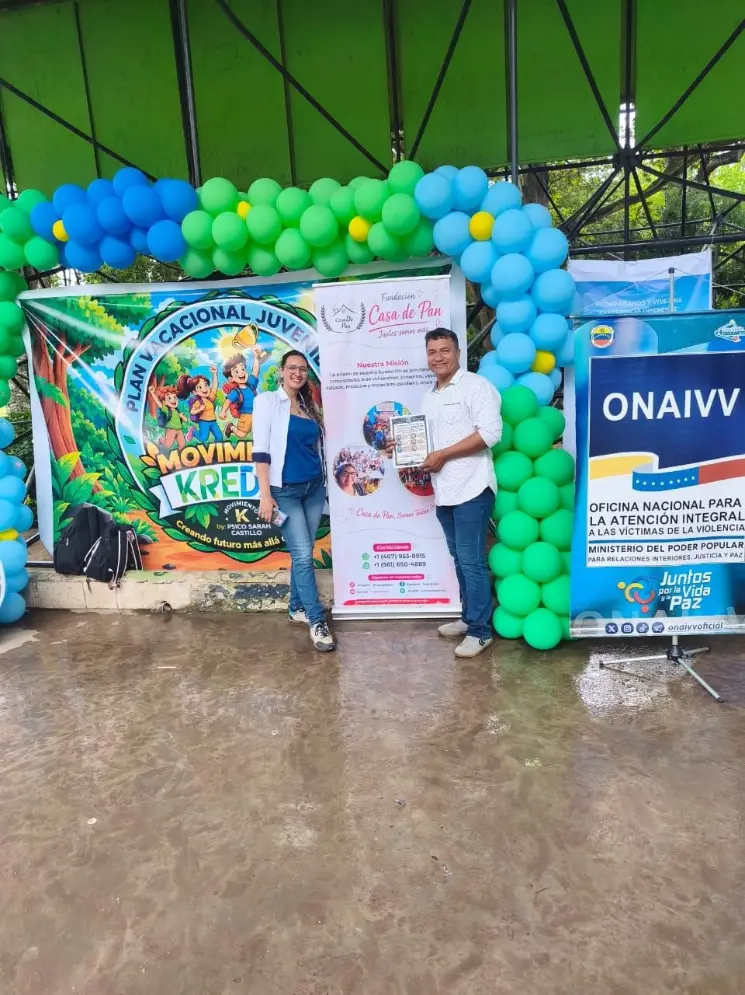
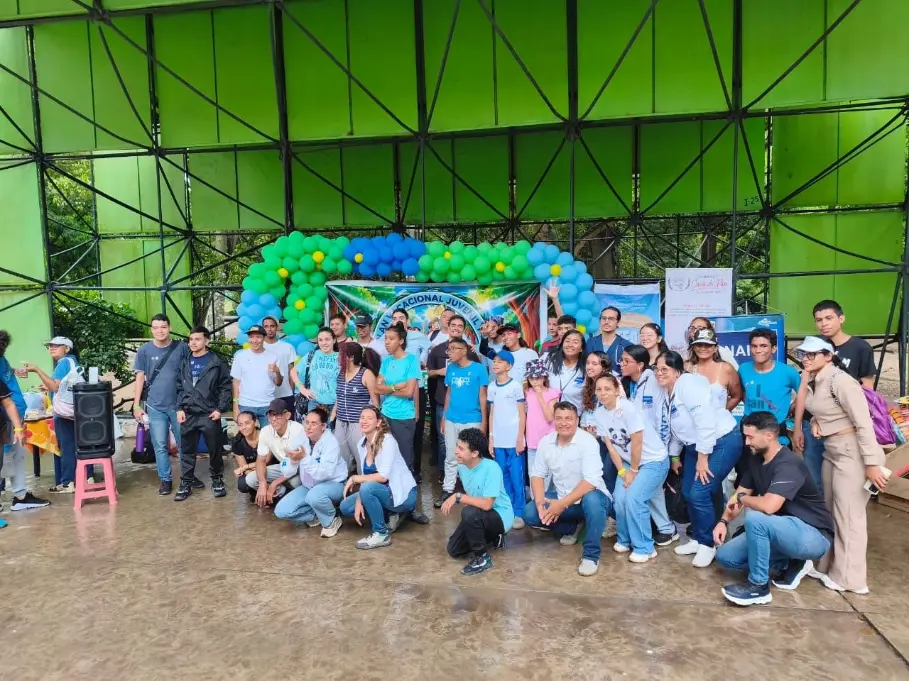
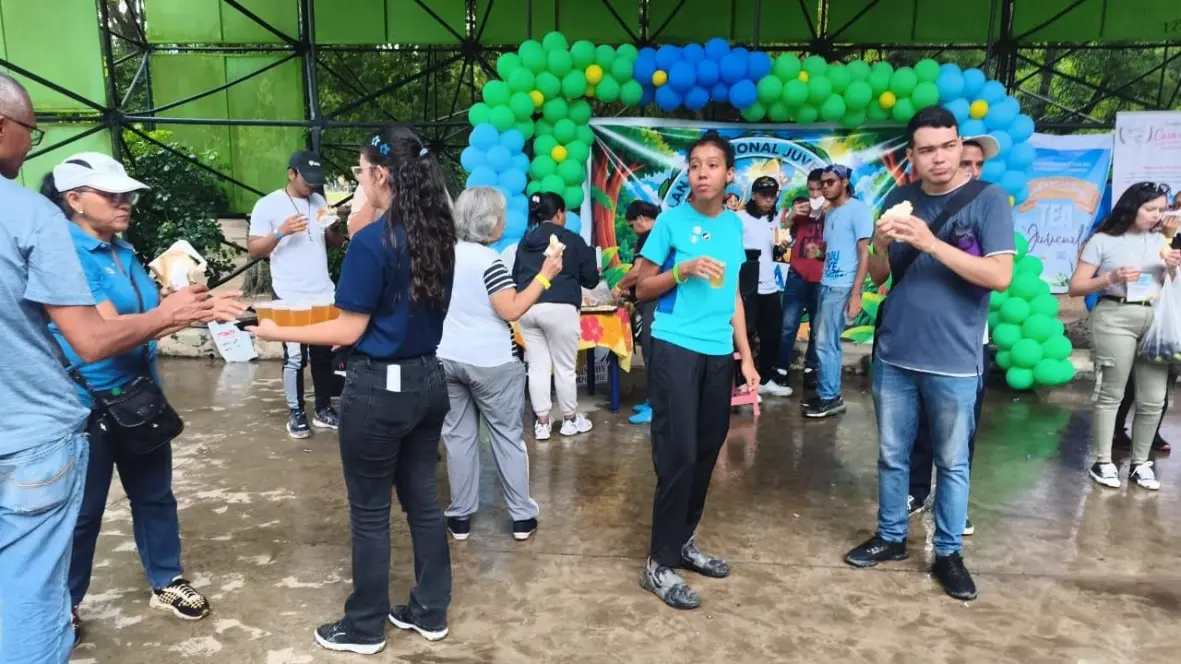
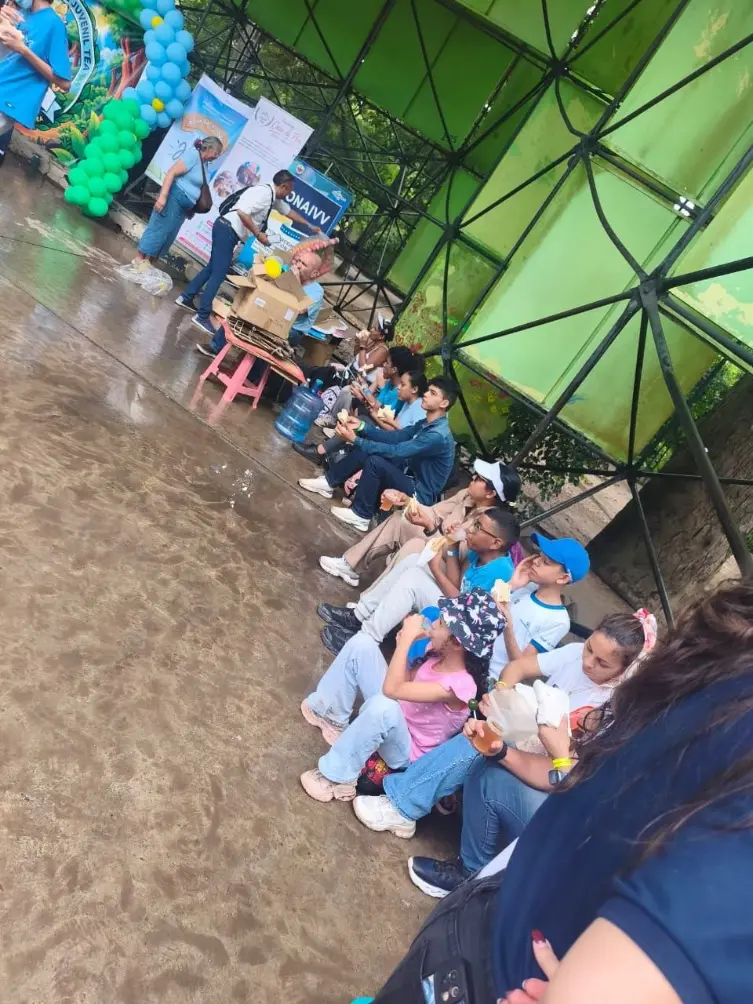
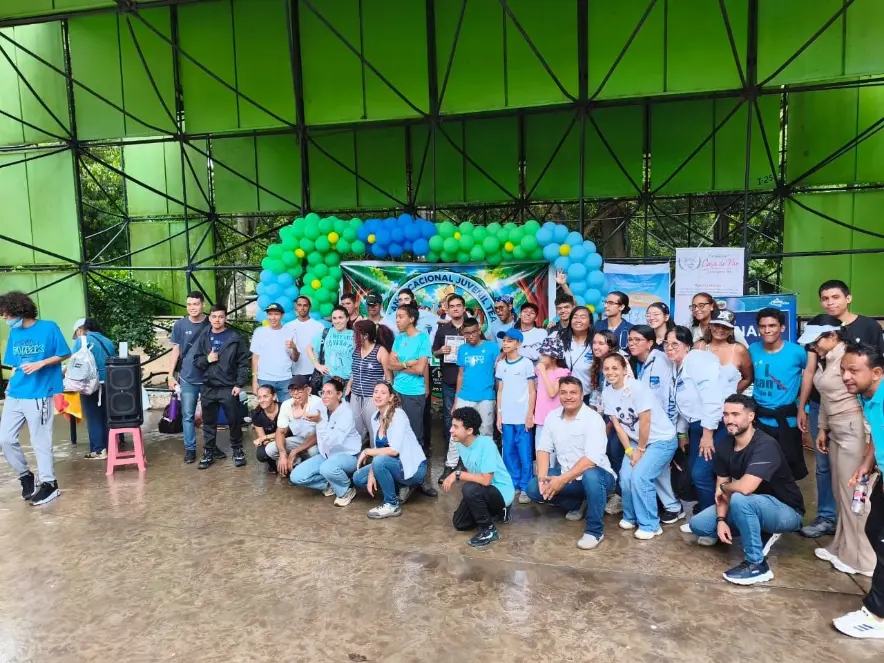
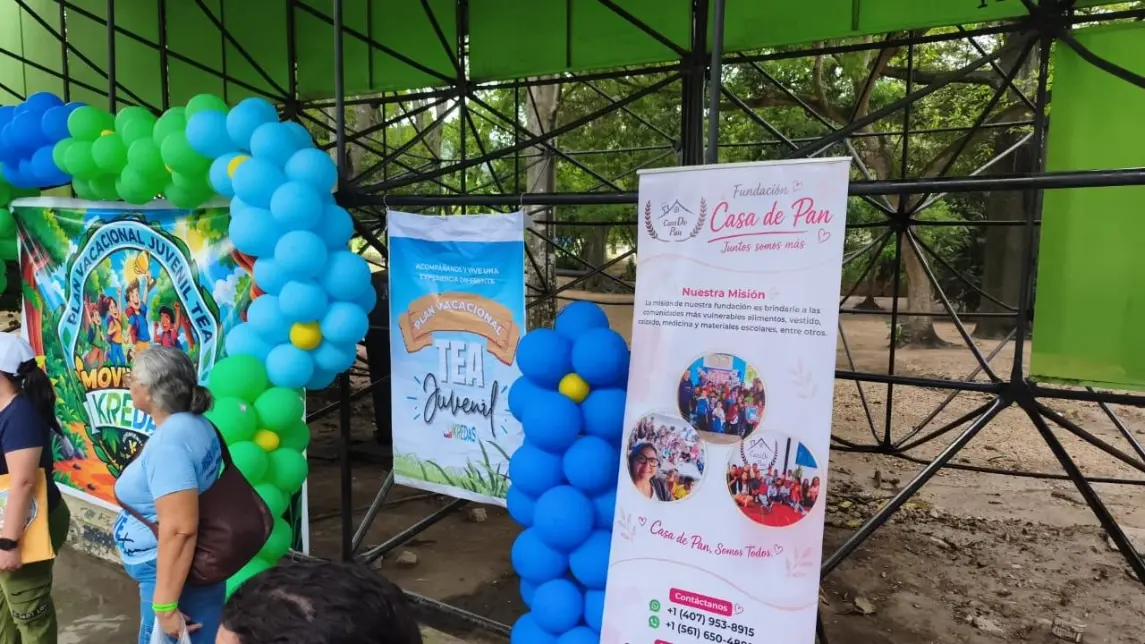
What happens when a group of teenagers, who often feel the margin is, for a few hours, a space made to your measure? That was what happened in the park Peñalver of Valencia, Carabobo state. A coexistence juvenile teens on the autism spectrum brought together young people of the spectrum in a day of meeting, playing, and socialization, with the support of the Foundation Casa de Pan. In this article we tell you how you lived, who led it, and why this type of activities make a real difference.
What is a cohabitation youth and why it matters in autism
A coexistence of youth is a guided encounter where teens interact in a safe environment. For young people with autism, it is a real practice social link without pressure.
Adolescence is a period of intense changes for any person. It seeks to belong, to have friends, and find a place in the group. For an adolescent with autism spectrum disorder (ASD), this way tends to have more obstacles. The social rules are not written, the tone of voice, jokes with double meaning, and the noise of a nearby school yard can become a maze.
That's why a coexistence juvenile teens on the autism spectrum it is not a simple outlet recreation. It is a kind training, without examination and without notice, where every young person can test how it is to be close to others at your own pace. Think of a gym, but for relationships: no one expects you to lift the maximum weight the first day, only that encourages you to enter.
What a difference to this day a common activity
A traditional event, the teen must adapt to the environment. In a coexistence designed for the spectrum, the opposite happens: the environment adapts to them. The activities have clear structure, the times are predictable and there is freedom to take breaks. This combination reduces anxiety and opens the door to participation spontaneous. What works is to offer options, not to impose a script.
The support of the Casa de Pan to the day
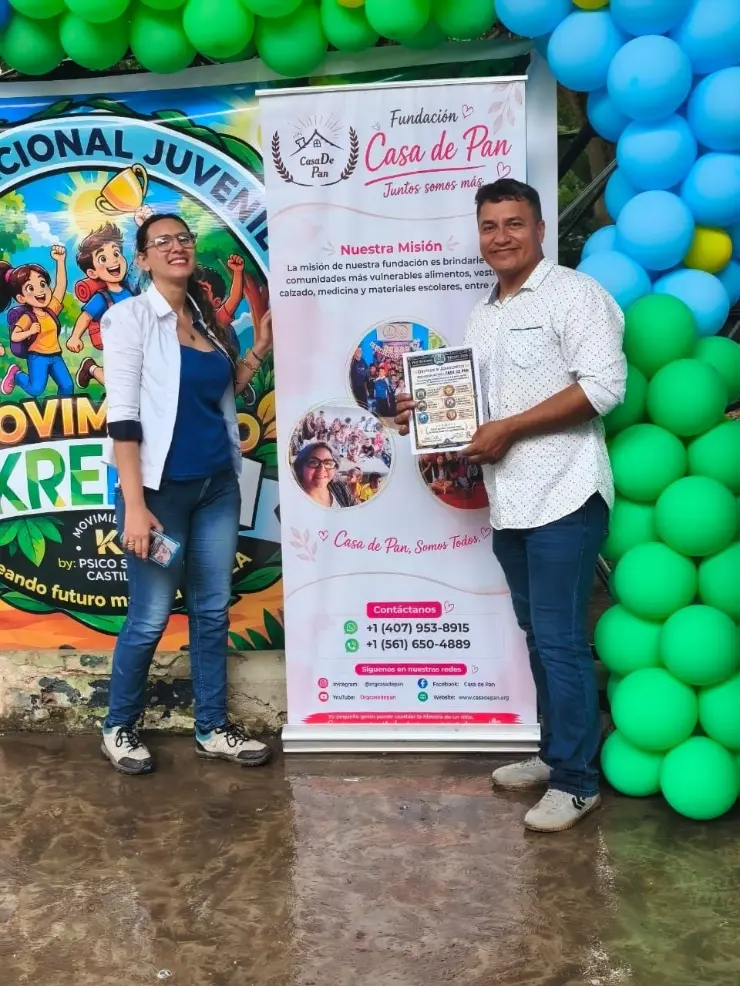
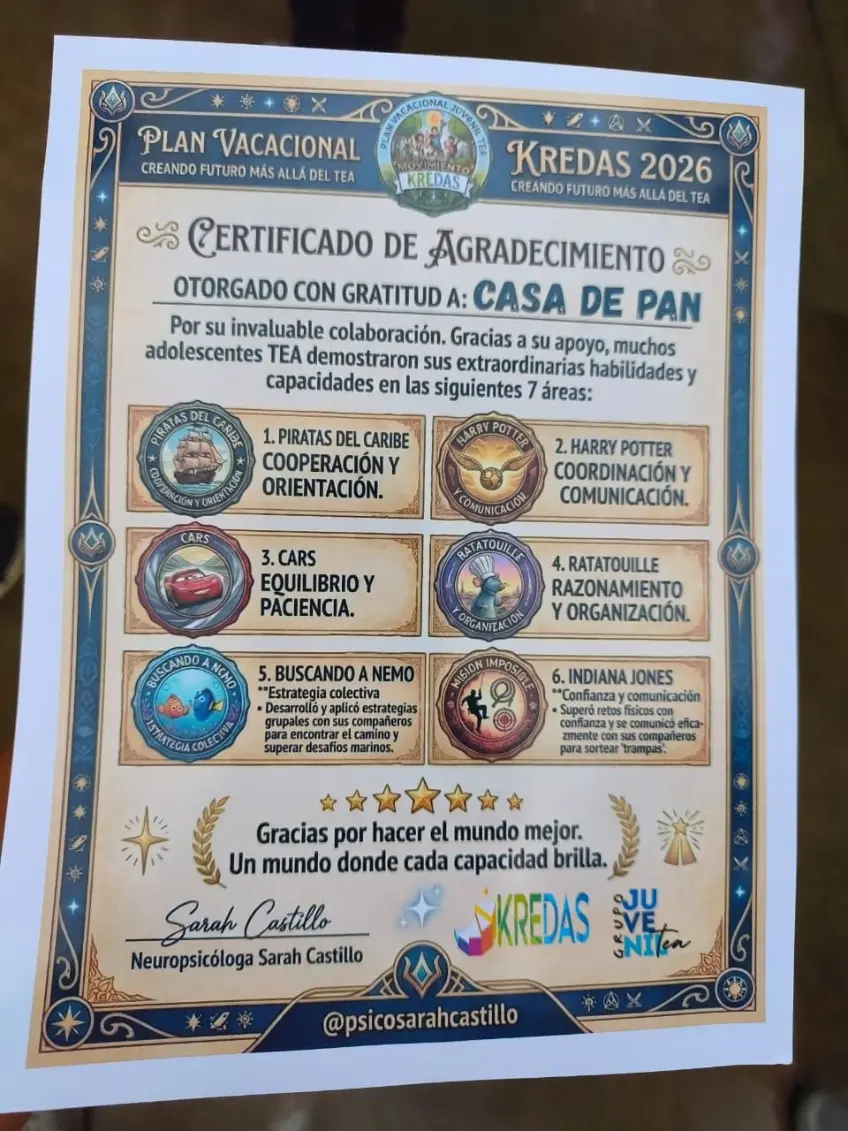
The Foundation Casa de Pan, supported living for adolescents with autism of Valencia will have a meeting space and integration.
Casa de Pan works in Valencia, Carabobo, with a conviction simple: the inclusion is not declared, it is built with concrete actions. Support a coexistence youth fits in that line. It is not a question of organizing an event for the photo, but to facilitate the conditions for the occurrence of something valuable: that young people that rarely coincide in the same place to know each other.
The support of a foundation changes the scope of this type of initiatives. Many families who are raising a teenager with autism are aware of the loneliness of the road. When an organization of the community is paramount, that way they feel a little less alone. The day he made it clear that partnerships between foundations, mental health professionals and families are the ones that hold the time integration.
Why community support is part of the solution
The neurodiversity, that is to say, the idea that neurological differences are natural variations of the human condition, only becomes practical when there are spaces where those differences are received with respect. House of Bread, brings just that: a bridge between those who organize, those who accompany them, and those who participate. If you want to know more about how it works, the foundation, you can visit the contact page of House of Bread and consult without commitment.
Park Peñalver: an open stage for the integration
A park that offers space, fresh air and movement. These conditions help the regulation of sensory and allow the adolescents to interact naturally.
Choosing the right place is half the success. The park Peñalver, in Valencia, provided an open environment, with green areas and space to move around. For many teenagers of the spectrum, the closed places and noisy generate saturation. A park, in contrast, allows you to walk away a few meters, when needed to breathe and return to the group when they feel comfortable.
The air also plays in favor of the recreational activities. Run, play with a ball or participate in group dynamics releases tension and creates conversations without anyone's force. It is like when two people talk better while walking than sitting face-to-face: the movement keeps weight to the look and to the word.
What is caring in a sensory environment friendly
A good coexistence in open spaces considered in some detail:
- Rest areas visible, so that young people know where to retreat if they need it.
- Moderate volume of music and sound, without stimuli sudden.
- Activities with startup and shutdown and clear, which are announced in advance.
- Adults of support, close, without invading the space of the participants.
This care does not limit the fun. Make it possible for more people.
Sarah Castle and the value of psychological support
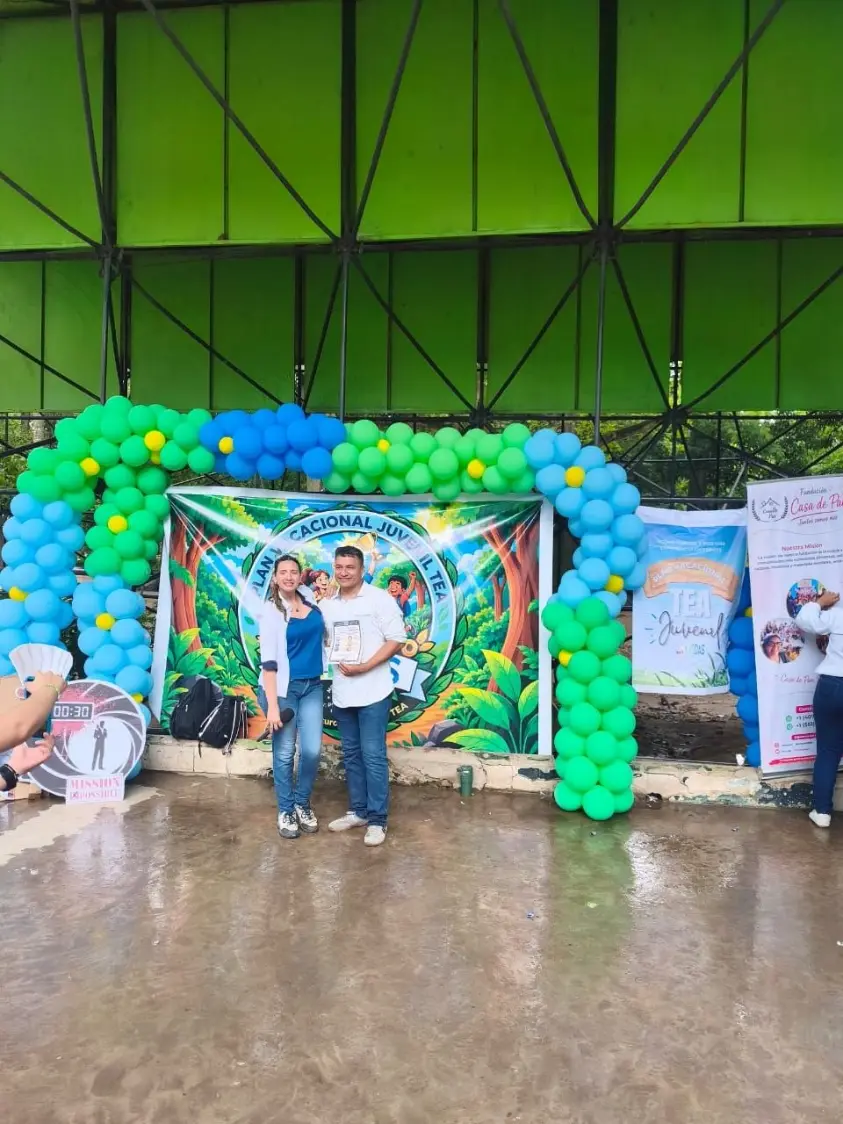
The day was in charge of the psychologist Sarah Castle, whose psychological support given structure, containment, and confidence to the participants.
Behind all of coexistence that works there is someone who understands how it feels to each participant. On this occasion, the psychologist Sarah Castle, was in charge of the conduct of the activity. His role was that of a bridge: to introduce young people to each other, to propose a dynamic, read the mood of the group, and set the pace when it was necessary.
The professional accompanying the difference between a group of teenagers together, and a group of teenagers integrated. A psychologist with experience detects signals that others overlook: a gesture of discomfort, a need to pause, a moment in which a young person is ready to join a game. Intervenes little, but in time.
What provides a professional one-day recreational
The presence of a specialist allows families to trust the space and teens feel safe. It also helps to make the experience of learning: what happens in the park you can return to later at home or in therapy. The reality is that the game well guided is one of the most powerful tools for working with social media without seeming to work.
Social skills: what is practiced without realizing it
In coexistence, the teenagers train turns, listening, initiative, and empathy while they play. The learning occurs within the fun.
Social skills are not learned by reading a manual. You learn by doing, making mistakes and re-try in a place where the wrong is of no consequence. A cohabitation offers a thousand small opportunities: wait your turn in a game, ask you to pass the ball, to celebrate the achievement of another, share a snack, ask the name of someone new.
Each of these situations is a test of real life. For a teen with autism, to have that test in a predictable environment and respectful is very valuable because you can then transfer what they learned at the school, the neighbourhood or family. Integration, then, does not depend on the young “change”, but that has the tools and people willing to meet him half way.
Signs that a coexistence is working
- The participants begin to search for others of their own initiative.
- Appear laughter, spontaneous comments or shared interests.
- Young people know what is next in the day and feel at ease.
- At the end, you want to be found.
When these signs appear, the space has fulfilled its purpose. Not measured in the amount of activity, but in quality of links.
Families and community: how to join the social inclusion
The social inclusion needs of families, schools and neighbors. The family support and the clear details make a good event in a sustained change.
A single day doesn't solve everything, but it ignites something. The participating families discover that others live similar situations, exchange experiences and build networks. The family support network is, many times, the most valuable resource: someone who knows what it means to be a difficult day, and also what it means a small achievement.
The community also has a role. Learn about autism, treat with respect to the people neurodivergentes, avoid phrases like “poor boy” and provide accessible spaces are gestures that add up. The fact that matter is this: adolescents on the autism spectrum do not need pity, they need opportunities and environments that receive them.
How to organize a coexistence similar in your community
If you are a teacher, mother, father, or a part of an organization and you want to promote something like that, these points will help get you started:
- Looking for professional support. A psychologist or therapist with experience in autism guides the design of the activities.
- Choose a safe space and open. With areas of pause and little stimulus sound.
- Communicates the structure in advance. Young people feel better when they know what to expect.
- Invites families. His presence gives peace of mind and strengthens the network.
The coexistence in the park Peñalver showed something that the families of Valencia already suspected: when preparing a space with care, adolescents on the autism spectrum are, they play, and build links. This coexistence juvenile teens on the autism spectrum met three ingredients that do not fail: a place that is open and friendly, a psychological support strong by Sarah Castle, and the backing of a foundation committed as a House of Bread.
The integration is not a favor, it's a right. And it is built day-to-day, with the patience, professionalism and a great deal of humanity.
Share in your social networks